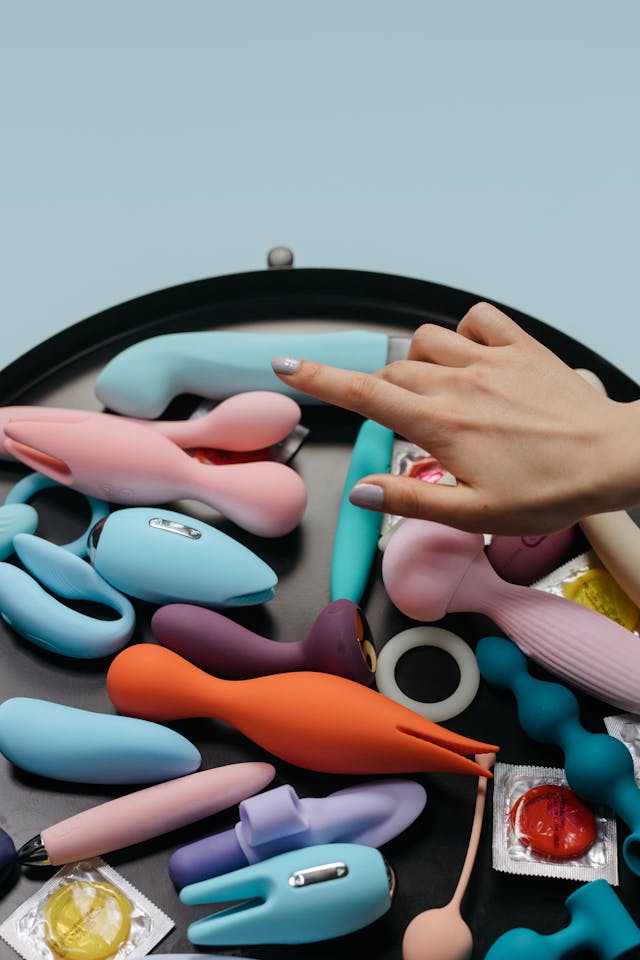



As the annual challenge of abstaining from masturbation known as “No Nut November” comes to an end, it’s a great opportunity to remember the many benefits of masturbation. From improved health and self-esteem to the sheer experience of pleasure, engaging in masturbation offers a wide array of advantages.
A recent nationally representative survey in the U.S. examined the most common reasons for masturbating, and we’ve included five of the most frequently reported ones below. Among these reasons, there were few gender differences between men and women.
No Evidence for No Nut November
No Nut November originated when a group of men online challenged each other to see if they could go an entire month without masturbating. Their aim? To experience alleged benefits such as improved mental focus, heightened testosterone levels, and self-improvement. This challenge has gained significant traction, especially on Reddit, and in recent years, some women have begun participating as well.
However, despite the number of people taking on the challenge, there is little to no research supporting the idea that abstaining from masturbation provides these benefits. In fact, most studies suggest the opposite: that engaging in self-pleasure has more advantages than refraining from it.
The Many Benefits of Masturbation
When you orgasm, your brain releases endorphins, which can leave you feeling both happy and sleepy afterward. This is why some people turn to masturbation as a way to relax or help them fall asleep. Thus, masturbation can serve as a temporary relief from stress and anxiety.
Research has also found a link between masturbation and higher self-esteem, potentially because it helps individuals understand and become comfortable with their bodies. In the aforementioned national U.S. survey, women were significantly more likely than men to report masturbation as a means of exploring their sexuality. Masturbation serves as a form of sexual self-exploration that can help you tune into your pleasure sources and enhance sexual functioning. In fact, those who masturbate generally find it easier to become aroused and reach orgasm. Consequently, self-pleasure may even enhance sexual satisfaction during partnered sex because you know what feels good and what kind of stimulation you need.
In addition to the pleasure and mental health benefits, there may also be physical health advantages to masturbation. For instance, frequent ejaculation is linked to a lower risk of developing prostate cancer, the second most common cause of cancer deaths in American men.
Sexual Performance and Science-Based Solutions
Another myth associated with No Nut November is that masturbating too frequently or vigorously can diminish sexual function, such as the ability to maintain an erection and derive pleasure from a partner. However, this claim lacks substantiation. Researchers have found no link between masturbation frequency and erectile dysfunction. Interestingly, greater participation in anti-masturbation online communities is correlated with worse symptoms of erectile dysfunction.
Some individuals on the No Nut November subreddit report engaging in the challenge to reduce their “addiction” to porn. However, porn addiction is not recognized as a medical or psychological diagnosis, and research indicates that it’s not porn use itself that leads to problems; rather, it’s the moral conflict surrounding its consumption. Thus, while taking a break from porn might provide temporary relief for those distressed by it, it is unlikely to resolve the underlying feelings of sexual shame that lead individuals to label themselves as “porn addicts.”
Recent studies investigating the relationship between porn consumption and erectile dysfunction among those involved in anti-porn and anti-masturbation groups have found that anxiety is often the key predictor of erectile issues, while porn consumption does not affect this relationship.
While No Nut November may serve as a way for some to foster a sense of community online, the foundation of the challenge is not scientifically grounded and seems to stem from the misconception that masturbation is inherently unhealthy.
As masturbation and sexual performance can have a complex relationship with sexual shame, stigma, and anxiety, more effective solutions may involve self-reflection, greater education about masturbation and sexual performance, or a conversation with a sex therapist.